You’re ready to level up your home, but you want the right fit for daily life, not just more square footage. In Central Ohio, two top choices are Dublin and New Albany. Each offers a different rhythm, from neighborhood character to HOA expectations, commute patterns, and weekend fun. This guide breaks down the real lifestyle differences and gives you a field-ready touring plan and checklist. Let’s dive in.
Quick vibe check: Dublin vs. New Albany
Dublin blends variety and energy. You’ll find historic streets, golf communities, newer subdivisions, townhomes and condos, plus lively mixed-use spots like Bridge Park. If you want options across price points and a suburban setting with urban amenities in reach, Dublin fits that mold.
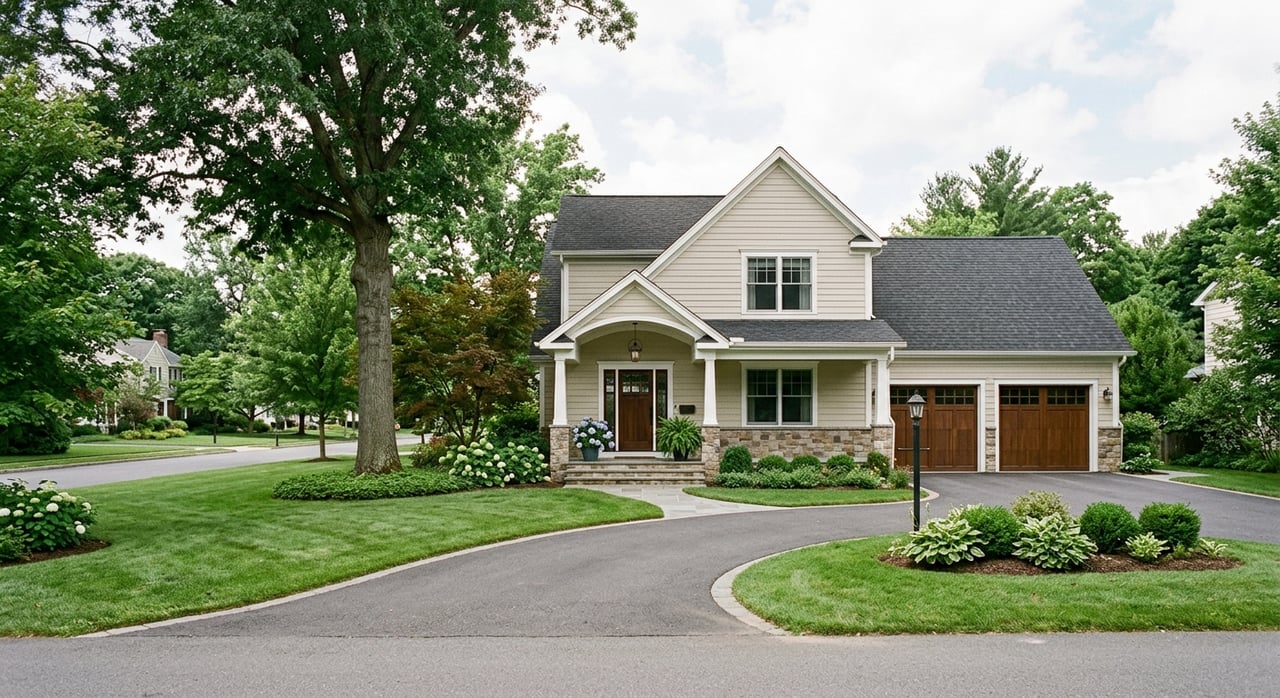
New Albany leans master planned and polished. Many neighborhoods are newer, with larger lots, consistent design standards, and a refined, estate-style feel, especially around New Albany Country Club and planned enclaves. If you value architectural consistency, greenways, and a cohesive community design, New Albany stands out.
Housing types and lot feel
New Albany highlights
- Predominantly planned developments with newer builds over the last 20–25 years.
- Larger single-family homes, custom and luxury options, and neighborhoods with private drives or gated elements.
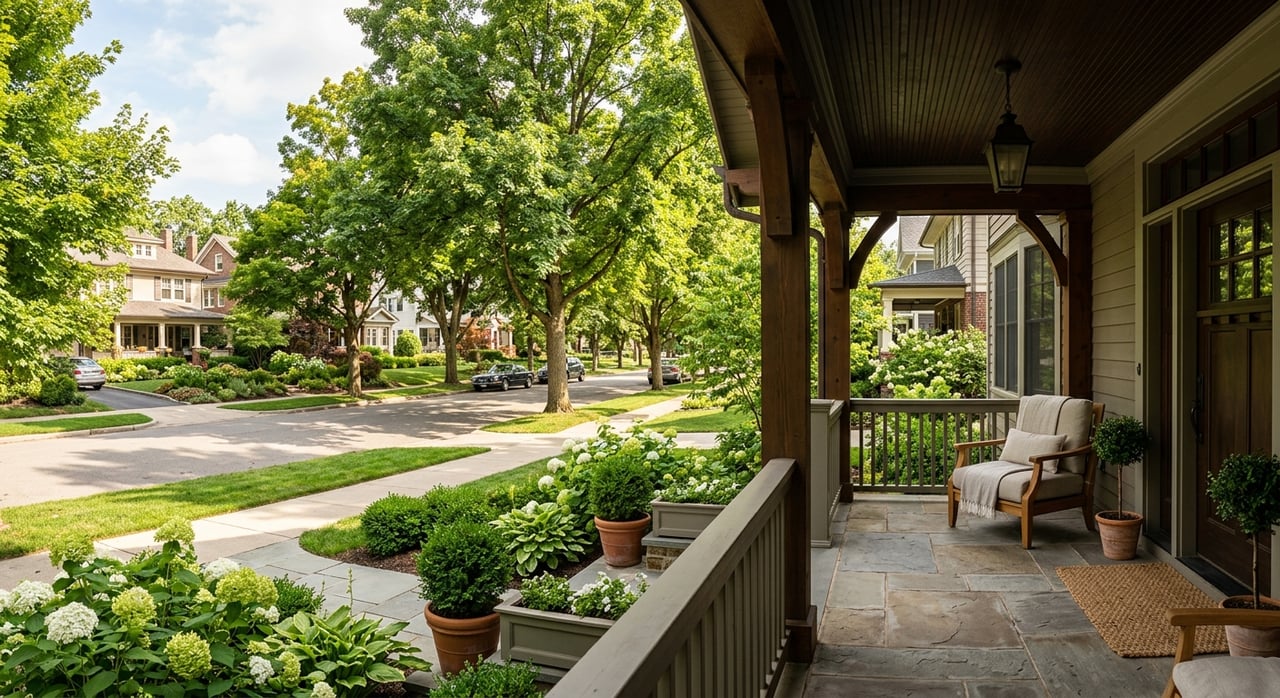
- Larger lots are common, with sidewalks, street trees, and trail connections woven into the fabric.
- Newer systems can mean lower immediate maintenance, though custom-home updates can run higher when needed.
Dublin highlights
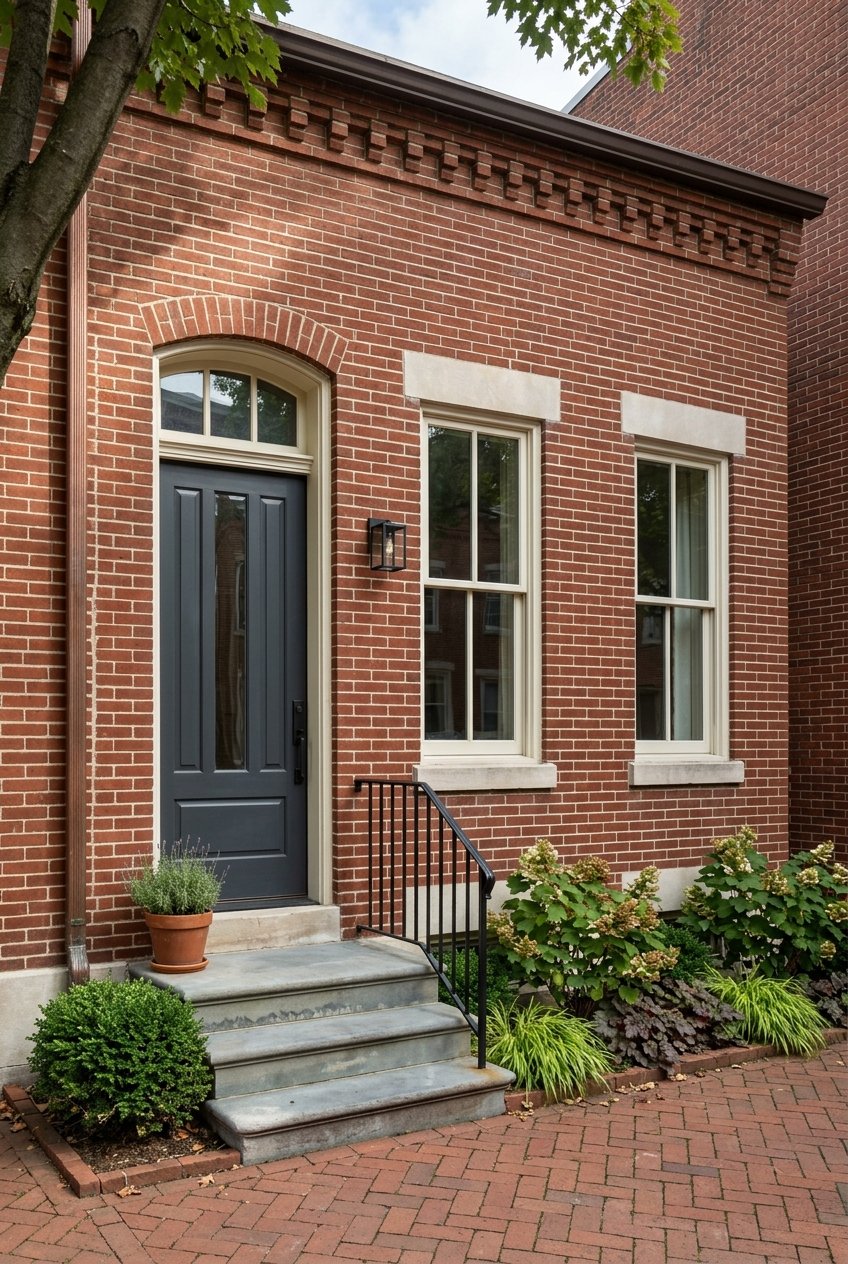
- Diverse mix: Historic Dublin’s older homes, established subdivisions, golf communities like Muirfield Village, and a range of townhome/condo options.
- Wider price spectrum for buyers moving up on different budgets.
- Mixed-use living near Bridge Park and along key corridors for walkable access to dining and services.
- Age and upkeep vary by neighborhood, from homes that need routine updates to new construction.
Commute and access across the metro
Both cities rely on I-270 to reach the wider Columbus area. New Albany sits northeast of Columbus with common routes along SR 161 and fast access toward Easton and Polaris-area employment. Dublin is northwest, with direct reach toward US-33 and west-side or north/northwest job hubs.
- Typical patterns: New Albany often works well if your destinations include downtown, Easton, or northeast corridors. Dublin often favors northwest and west-side employers and easy access to retail like Tuttle Crossing.
- Rush-hour matters: Traffic on I-270 and SR 161 can shift real drive times. Check live maps from your target neighborhood during your actual commute window.
- Airport reach: New Albany is comparatively closer to John Glenn Columbus International Airport than some west-side suburbs. Dublin offers straightforward interstate access depending on your exact location.
- Transit and trails: Most residents commute by car. Local bus service exists in parts of the metro, and both cities maintain bike and multi-use trail networks for local trips and recreation.
HOAs and architectural controls
New Albany norms
- Many neighborhoods include active HOAs with architectural review boards, defined design guidelines, and consistent enforcement.
- Dues typically support common-area landscaping, greenway upkeep, and amenities like pools or paths.
- Fee levels often reflect higher amenity standards. Review for special assessments tied to capital projects.
Dublin norms
- HOA presence varies. Some neighborhoods have no HOA, while others, especially condos/townhomes and newer subdivisions, are mandatory.
- Fees range widely. Communities without shared amenities may be nominal, while those with common elements charge more.
- Architectural rules are common, but intensity and timelines vary by community.
What this means for you
- If you plan exterior changes, pools, or additions, confirm architectural approval steps and timelines early.
- Ask for CC&Rs, bylaws, budgets, reserve studies, and recent meeting minutes to gauge rules, reserves, and any planned projects.
Parks, trails, and everyday conveniences
Both communities invest in parks, programs, and connected trails, but the feel differs.
- New Albany: Integrated greenspace, neighborhood parks, and trail connections are central to planning. The Market District creates a town-center feel with boutique dining and services, while larger retail is close by in regional corridors.
- Dublin: A robust park system features riverfront and open-space parks, golf traditions, and event programming. Bridge Park and Historic Dublin offer walkable dining, retail, and community events.
- Recreation: Both cities support leagues, classes, and community centers. Golf anchors neighborhood identity in parts of both cities, including New Albany Country Club and Muirfield Village.
- Healthcare and services: You’ll find medical offices and clinics in both. For major hospital care, residents typically use regional hospital systems in greater Columbus.
Budget and ongoing costs to weigh
- HOA dues: Master-planned communities can carry higher dues but also fund more extensive amenities and landscaping. Confirm what’s covered and whether roads are private.
- Maintenance: Newer construction can mean fewer near-term repairs. Older homes may need updates but can offer strong value in location or lot size.
- Utilities and taxes: Ask for recent utility bills and check parcel tax history. Clarify any municipal assessments or planned infrastructure projects.
Key decision factors for move-up buyers
Use these prompts to align each home with your long-term goals:
- Lot size and outdoor living priorities, including room for a pool or play space.
- Tolerance for HOA governance and desire for architectural consistency.
- Preferred home age, floor plan flexibility, finished basements, and garage needs.
- Commute corridors to specific workplaces and timing during peak hours.
- Desire for walkable mixed-use settings vs. quieter, estate-style streets.
- Budget expectations, plus maintenance, utilities, and ongoing HOA costs.
Touring plan: where to compare
In New Albany
- Drive the New Albany Country Club area and nearby planned neighborhoods to see architecture, lot depth, and trail connectivity.
- Stop at the Market District area to gauge daily convenience, dining options, and event activity.
In Dublin
- Walk Historic Dublin to sample older-home character and small-town streets.
- Explore Bridge Park for townhomes, condos, restaurants, and event spaces in a walkable cluster.
- Visit a representative newer subdivision and a golf-community pocket to compare yard sizes, HOA scope, and upkeep.
What to notice during tours
- Street design and traffic flow, sidewalk and trail connections, and how close everyday errands feel.
- The look of common areas, consistency of landscaping, and the mix of housing types nearby.
- Noise, privacy, and sun exposure in yards you might use daily.
What to bring to showings
- Recent comparable sales and days on market for the specific neighborhood.
- HOA documents: CC&Rs, bylaws, rules, current budget, reserve study, and last meeting minutes.
- Property tax history and parcel details.
- Recent utility statements and information on providers.
- Any neighborhood master plans or recent council approvals that could affect traffic or character.
Next steps
If you want bigger outdoor living and a master-planned feel, start with New Albany. If you want variety across price points and stronger walkable clusters, put Dublin at the top of your list. Many buyers compare one condo or townhome option against one single-family or estate option in each city to clarify upkeep, costs, and lifestyle.
You do not have to navigate these tradeoffs alone. If you want a tailored shortlist and live drive-time testing from the neighborhoods you like most, reach out to Megan’s team. Connect with Megan Bell for a personalized plan and a confident move-up.
FAQs
How do Dublin and New Albany differ for move-up buyers?
- New Albany emphasizes planned neighborhoods, larger lots, and stronger architectural controls, while Dublin offers a wider mix of housing types, price points, and walkable mixed-use areas.
What should I know about HOAs in each city?
- New Albany HOAs are more consistently present and prescriptive with higher amenity standards; Dublin’s HOAs vary widely, from none to robust associations with amenities.
Which location makes commuting easier in Columbus?
- It depends on your workplace and time of day; New Albany favors northeast corridors and airport access, while Dublin suits northwest and west-side job centers. Check live traffic during your commute window.
Where will I find better walkability to shops and restaurants?
- Dublin’s Bridge Park and Historic Dublin stand out for walkability; New Albany’s Market District offers a concentrated center with many neighborhoods relying on short drives for daily errands.
How do maintenance considerations compare between the two?
- New Albany’s inventory skews newer, often lowering near-term maintenance; Dublin ranges from older homes needing updates to new builds, so maintenance varies by neighborhood.