Buying in German Village can feel a little different from buying almost anywhere else in Columbus. You are not just choosing a home here. You are stepping into one of the city’s oldest historic neighborhoods, where brick streets, close-set homes, and preserved architecture shape daily life. If you are thinking about buying a historic property in German Village, this guide will help you understand the layout, upkeep, review process, and questions to ask before you move forward. Let’s dive in.
Why German Village Feels Different
German Village sits just south of downtown Columbus and has roots going back to the early 1800s. The neighborhood was initially platted in 1814, developed mainly between 1840 and 1914, and later established by the City of Columbus as a historic district in 1960.
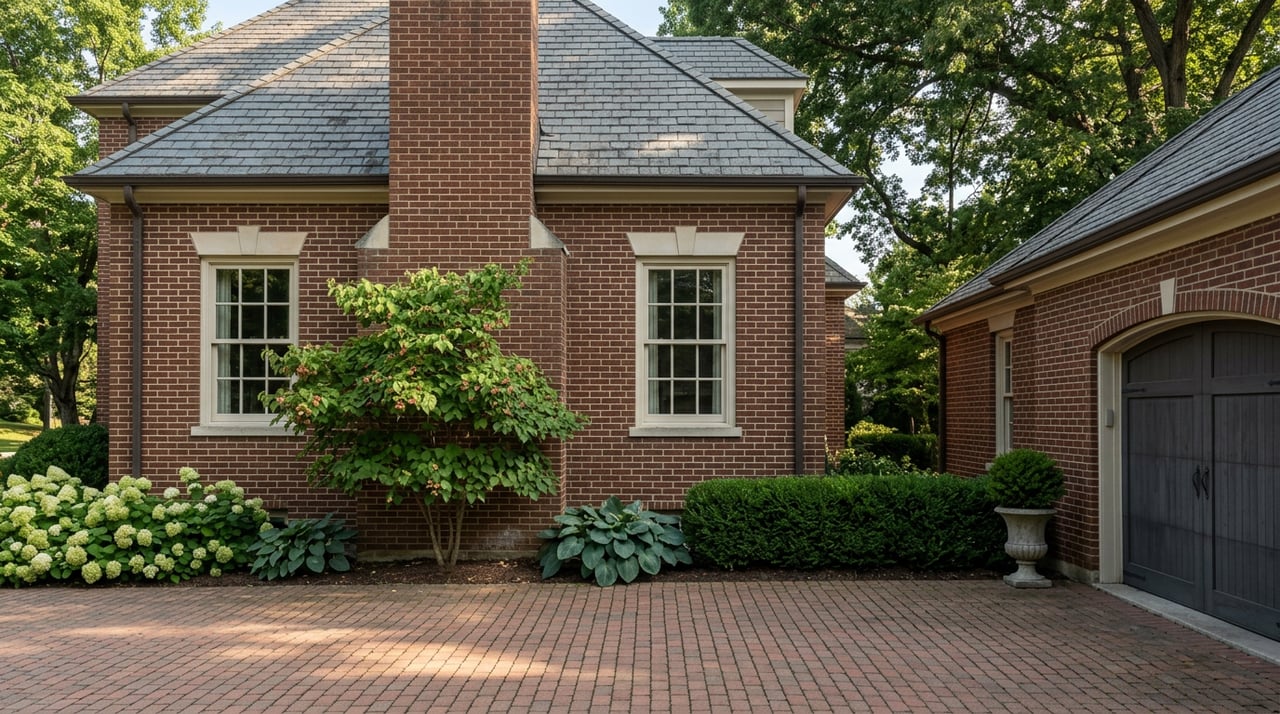
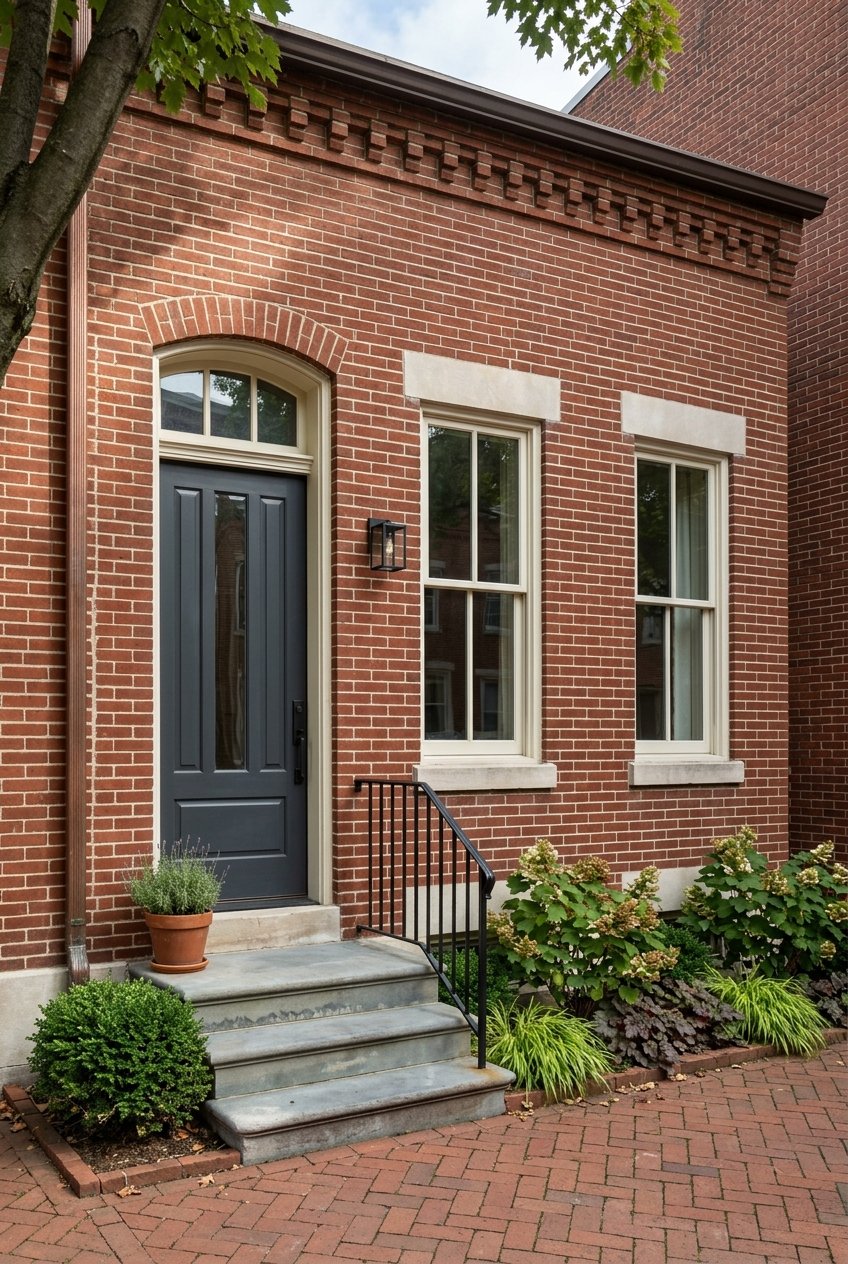
What that means for you as a buyer is simple: this is a real historic neighborhood, not a newer community designed to look old. The streetscape is defined by brick sidewalks, masonry buildings, limited driveways, and a walkable, low-rise pattern that gives the area its distinct character.
What Historic Homes Here Are Like
Expect Smaller, Older Floor Plans
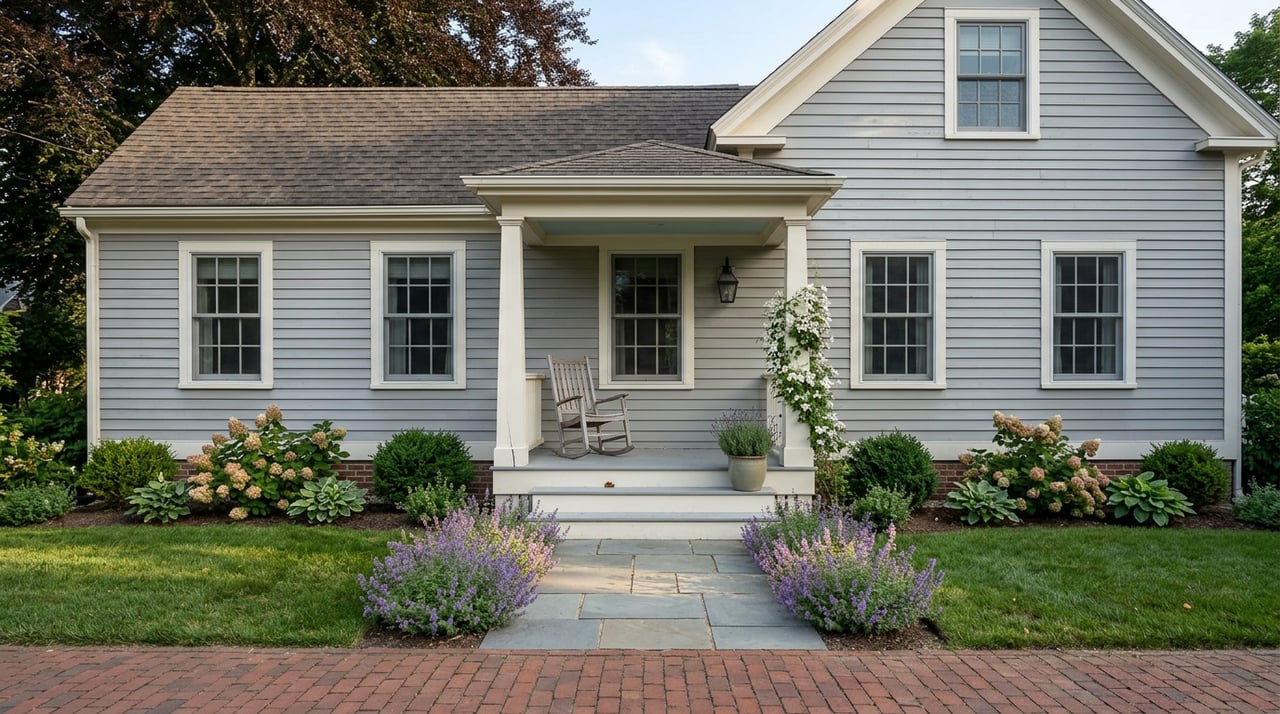
Many homes in German Village were built long before modern open-concept living became popular. Common building types include story-and-a-half cottages, simple rectangular homes, Italianate houses, Queen Anne homes, and row houses.
Inside, that often translates to more compact rooms, narrower layouts, and a more compartmentalized floor plan than you might find in newer homes. If you love historic character, that can be part of the appeal. If you need flexible space, it is important to think through how the layout will work for your daily life.
Outdoor Space Follows a Historic Pattern
The neighborhood’s lot layout also matters. Homes often sit close to the street and close to neighboring structures, with more usable open space pushed to the rear yard.
That pattern affects more than appearance. It can shape where garages sit, how additions are handled, and how outdoor improvements fit into the property over time.
Why Future Plans Matter Before You Buy
If you are considering a German Village home because you plan to renovate it, expand it, or make visible exterior changes, do your homework early. The district’s design guidelines suggest looking first at interior reconfiguration, basement use, or even choosing a different home before assuming an addition will be the best answer.
That is a helpful signal for buyers. In this neighborhood, not every property will easily support the changes you might make in a less regulated area.
Understand the German Village Review Process
Many Exterior Changes Need Approval
One of the biggest things to know before buying is that exterior work in German Village often requires review by the German Village Commission. The commission reviews exterior alterations, additions, new construction, demolition, and even exterior color changes.
Routine maintenance and repair usually do not require a Certificate of Appropriateness, often called a COA. But replacing a building element typically does require review, which is an important distinction for buyers planning updates.
Approval Is Property Specific
A lot of buyers assume that if a nearby house has a certain feature, they can do the same thing. In German Village, that is not always true.
Projects are reviewed case by case. The commission considers the specific property, its architectural details, and how the proposed work fits its immediate setting.
Some Features Get Extra Scrutiny
Certain elements are especially important in this district. Front porches are treated as major character-defining features, and porch enclosures are generally discouraged.
The guidelines also pay close attention to dormers, skylights, chimneys, roof shapes, garages, setbacks, connectors, and building height. In general, the preference is for work that is visually compatible, often rear-sited, and as reversible as possible.
Know What Renovation Approval May Involve
Depending on the scope of your project, an application may require photos, site plans, floor plans, elevations, and construction drawings. If your plans involve an addition, new construction, or a change of use, there may also be zoning questions to resolve before a building permit is issued.
That does not mean buying here is not worth it. It means you should treat preservation review as part of normal ownership and factor that into your budget, timeline, and expectations.
Inspection Issues Buyers Should Watch Closely
Moisture Is a Big Deal
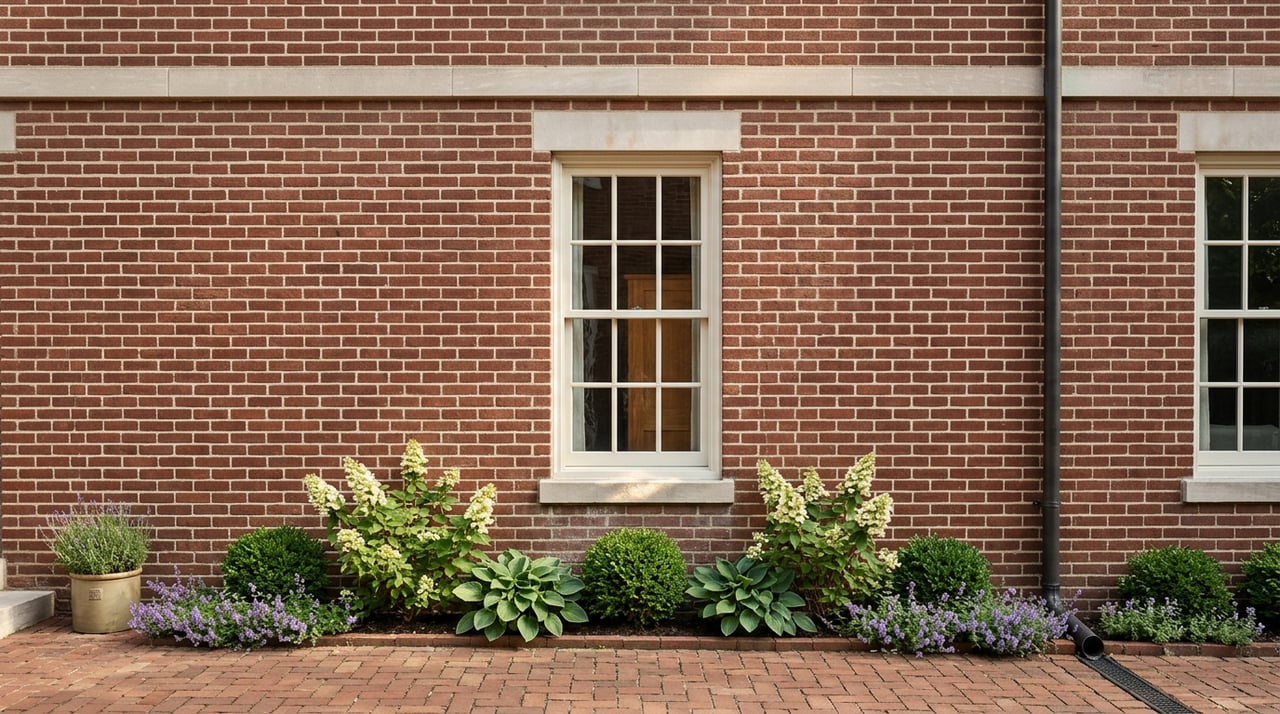
With older masonry homes, moisture control matters. Roof drainage, flashing, gutters, site grading, basement seepage, and the condition of brick and stone walls all deserve close attention during inspections.
In historic homes, uncontrolled moisture is one of the most common sources of deterioration. Signs like cracking, bulging masonry, or repeated water intrusion can point to larger repair needs.
Masonry Repairs Are Not One-Size-Fits-All
If a home has had tuckpointing or repointing work, ask questions. Replacement mortar should match the older mortar in strength, composition, color, and texture.
Poor masonry repair can damage the brick itself over time. That makes it smart to ask who performed prior work and whether preservation-appropriate materials were used.
Windows, Doors, and Rooflines Matter
Historic windows are often repairable, and in a district like German Village, original features can carry both practical and design value. The neighborhood guidelines favor maintaining the rhythm of openings and keeping roof elements compatible with the historic streetscape.
That means replacement windows, altered porch details, visible skylights, and roofline changes deserve careful review before you assume an update will be straightforward.
Lead Paint Should Be Assumed Until Tested
Because most homes in German Village were built before 1978, buyers should assume lead-based paint may be present unless testing shows otherwise. Renovation, repair, or painting work in older housing can create hazardous dust if lead-safe practices are not used.
Homebuyers in most pre-1978 housing should also receive lead-based paint information before signing a contract. This is a routine but important part of buying an older home.
Smart Due Diligence Before You Close
A historic home purchase usually goes more smoothly when you gather as much background information as possible. In German Village, the right documents can help you understand prior changes and anticipate future limitations.
Here are some of the most useful items to request:
- The German Village house file
- Prior Certificates of Appropriateness
- Permit records
- Repair and maintenance records
- Older photos of the property
The German Village Society keeps a house file for each property, and those files can be useful for understanding earlier alterations and planning future work.
Questions Worth Asking Before You Buy
Historic homes reward specific questions. In German Village, these are some of the most practical ones to ask the seller, agent, or inspector:
- Which parts of the home are original?
- Have any porches, chimneys, rooflines, garages, or window openings been changed?
- Was previous masonry work done with compatible mortar?
- Are there signs of ongoing moisture intrusion?
- Would my planned changes require a COA, a zoning variance, or both?
- How does alley access work for this property?
- Are there driveway limitations or common street parking concerns?
- Are there tree-lawn responsibilities that affect exterior work?
These questions can save you time and money later. They also help you understand whether a home fits both your lifestyle and your renovation goals.
Parking, Access, and Daily Living
German Village’s charm comes with practical tradeoffs. The neighborhood’s dense street pattern and limited driveways mean curbside parking is common in many areas.
It is also smart to ask about alley access and the property’s relationship to the public right-of-way. Details like these can affect convenience, exterior plans, and even how you think about storage or garage use.
Is a German Village Home Right for You?
Buying a historic home in German Village can be incredibly rewarding if you value architectural character, walkability, and the feeling of living in a neighborhood with deep roots. At the same time, these homes usually ask more of you than a newer property would.
You may need to budget for ongoing exterior maintenance, work with inspectors who understand old-house systems and masonry, and approach future updates with patience. For many buyers, that is a worthwhile trade because the setting is so distinctive and the homes offer a sense of place that is hard to replicate.
If you are considering a purchase here, the best first step is to look at each property through two lenses at once: what it is today, and what ownership will realistically require over time. That balance is often the key to making a confident, informed decision.
If you are exploring homes in German Village or trying to decide whether a historic property fits your goals, Megan Bell can help you navigate the details with local insight and personalized guidance.
FAQs
What should buyers know about historic home layouts in German Village?
- Many German Village homes have smaller, more compartmentalized floor plans than newer homes because they were built between the mid-1800s and early 1900s.
What exterior changes require approval in German Village?
- Many exterior alterations, additions, demolition projects, new construction, and exterior color changes require review by the German Village Commission and may need a Certificate of Appropriateness.
What inspection issues matter most for German Village homes?
- Buyers should pay close attention to moisture control, basement seepage, roof drainage, flashing, gutters, masonry condition, and signs of cracking or water-related deterioration.
What documents should buyers request for a German Village property?
- Useful records include the German Village house file, prior COAs, permits, repair records, and old photos that may show earlier alterations.
What should buyers ask about parking and access in German Village?
- Buyers should ask about alley access, driveway limitations, curbside parking patterns, and tree-lawn responsibilities because these details can affect daily use and future exterior work.