Thinking about trading Columbus traffic and constant bustle for a place with a little more charm and breathing room? Granville often catches buyers’ attention because it offers a small-town feel, a historic setting, and a practical connection back to the Columbus area. If you’re considering the move, it helps to know what daily life, housing, and logistics really look like before you make the jump. Let’s dive in.
Granville feels different from a typical suburb
Granville is not just another Columbus suburb with rows of newer subdivisions and wide commercial corridors. It is a small village in east-central Ohio with an estimated 6,252 residents in 2025 across 4.81 square miles, and local planning documents consistently describe it as a New England-style community with a strong sense of history.
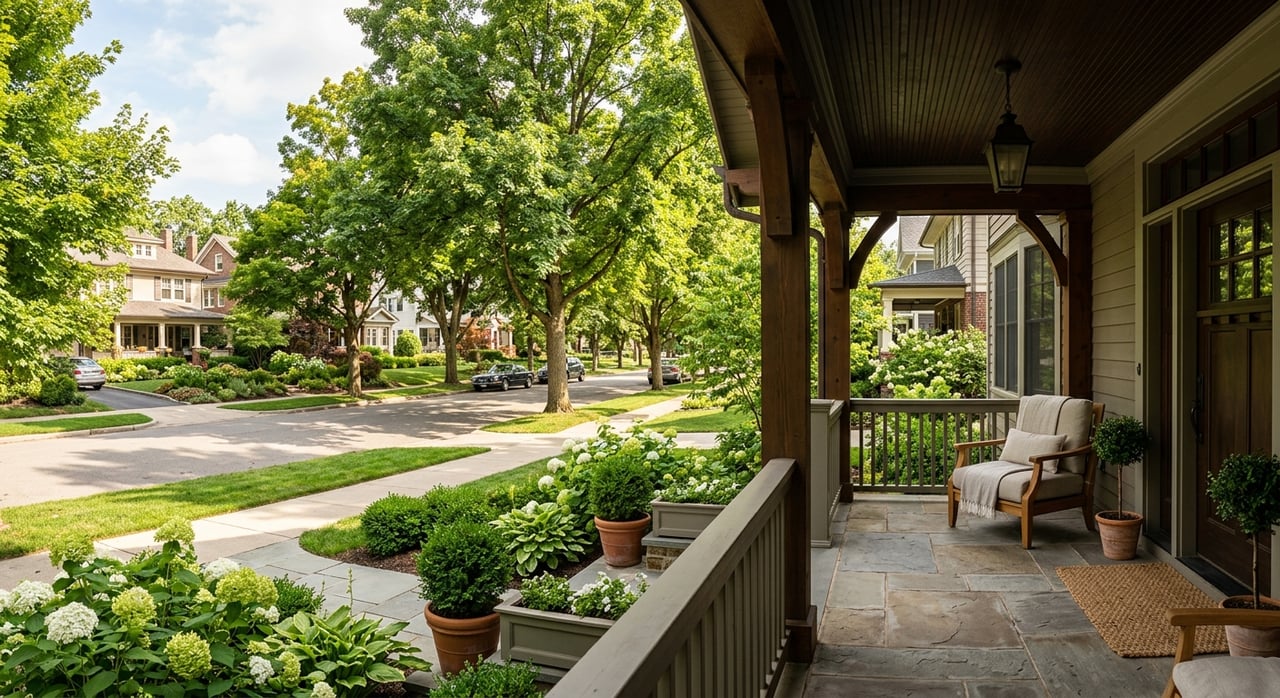
That character shows up in the layout and atmosphere. Downtown is compact and active, with a wide main street, narrower side streets, restaurants, retail, breweries, a cidery, and village offices. Instead of feeling spread out, it feels centered, which is part of the appeal for many Columbus-area movers.
Expect a smaller-scale daily rhythm
If you are used to Columbus convenience, Granville may feel more intentional and a little slower in a good way. You are more likely to notice walkable errands, community spaces, and repeat routines like heading downtown, using local trails, or spending time in village parks.
At the same time, small-town convenience is not the same as big-city convenience. Granville’s planning documents note that parking and traffic can get congested downtown at times, so you should expect an active village core rather than a fully effortless in-and-out experience.
Commuting to Columbus is doable
Granville has long appealed to people who work in the Columbus region but want to live in a smaller community. The village’s comprehensive plan specifically describes Granville as holding strong appeal to the Columbus region as a bedroom community, and Denison University notes that Columbus is about 30 minutes away.
That said, your actual commute will depend on where you are going and when you are driving. Access is road-based, primarily through I-70 and OH-37, and planned regional road work includes the SR-16 widening project scheduled for 2026 through 2028, along with ongoing SR161/I-70 connection studies.
Test your real commute before you buy
One of the smartest things you can do is test the drive at the time you would normally travel. A route that feels easy on a Saturday afternoon may feel very different during a weekday morning or evening.
If you work in Columbus only a few days a week, Granville may feel like a strong lifestyle trade. If you drive daily, make sure the route, timing, and road construction outlook fit your routine.
Housing in Granville often costs more
One of the biggest adjustments for Columbus-area buyers is price. The Census Bureau reports a median home value of $502,300 in Granville, compared with $275,200 for Licking County overall.
That does not automatically mean every home in Granville is expensive by Columbus standards, but it does show that this is generally a higher-cost, character-driven market. In many cases, you are paying for setting, identity, and long-term appeal as much as square footage.
You may get more character than "new"
Granville’s housing stock is older than many buyers expect. According to the village comprehensive plan, 30.2% of village housing units were built before 1939, and only 11% of existing housing units were built since 2000.
Most homes were built between 1960 and 1999. That means if you are moving from a newer Columbus-area neighborhood, you may find more mature lots, older craftsmanship, and homes that come with renovation or maintenance considerations.
Ownership is a major part of the market
Granville also has a high owner-occupied housing rate. The Census Bureau reports an owner-occupied rate of 81.6% in the village, which is higher than Licking County overall.
For you as a buyer, that can translate into a market where homes may be held longer and where the overall housing mix feels more rooted. It can also mean fewer move-in-ready options than you might find in faster-turnover suburban areas.
Home styles vary by location
Not every part of Granville feels the same. The village comprehensive plan describes downtown as more medium-density, while much of the village’s strongest residential character is still very low-density detached single-family homes on larger lots.
Outside the village core, the township has a more rural-type density pattern. The plan also points to parts of the River Road and SR-16 area as possible locations for higher-density townhomes or condominiums.
Village and township are not the same
This is one of the most important details to understand when relocating. A Granville mailing address does not always mean the same local government, service setup, or property expectations.
Village and township services differ, and even trash, recycling, and road management may work differently depending on where the home sits. If you are comparing two homes that seem similar online, this distinction can have a real impact on your day-to-day experience.
Local services and rules matter more than you might expect
Granville operates like a closely managed local community. The village provides resident tools like brush pickup, refuse services, and communications alerts, while Granville Township handles some services separately, including Monday trash and recycling collection in the township and separate road responsibilities.
That may sound like a small detail, but it matters when you are deciding where to live. Service patterns, maintenance expectations, and local oversight can shape how convenient a property feels after move-in.
Budget for local taxes and approvals
If you buy within the Village of Granville, you should also account for local income tax. The village levies a 1.5% income tax, offers up to a 0.75% credit for taxes paid to other municipalities, and requires registration.
If you are planning to update the exterior of your home, ask questions early. The planning department notes that many new construction projects or exterior modifications within village limits require zoning review or approval, and some properties are subject to additional architectural review standards.
Outdoor access is a real lifestyle perk
For many relocators, Granville stands out because it feels more outdoor-oriented than a typical car-centered suburb. The village manages more than 87 acres of park property, including nature trails, a dog park, community gardens, and access to the TJ Evans bike path.
The TJ Evans Recreational Trail runs 36 miles from Newark to Johnstown, giving residents a meaningful regional trail connection. Denison University also maintains a 350-acre Biological Reserve with more than 10 miles of public walking trails open daily from dawn to dusk.
Walkability here is more practical than perfect
Granville can feel walkable in ways that matter to everyday life, especially near downtown and community destinations. You may be able to build routines around walking, biking, trail use, and local errands in a way that feels harder to do in more spread-out areas.
Still, this is not a large urban grid with extensive transit. Cars remain part of daily life, especially for commuting and regional errands.
Schools and address details should be verified
If schools are part of your home search, confirm the exact parcel and school assignment before making assumptions. Granville Exempted Village School District serves about 2,600 students in four schools, but address-level details still matter.
This is especially important if you are comparing homes near boundaries or outside the village itself. A quick verification step early in the process can prevent confusion later.
What Columbus buyers usually notice first
When buyers move from Columbus to Granville, they often notice a few things right away:
- Home prices may feel higher for the size or age of the property
- The housing stock often has more history and more variation
- Daily life can feel calmer and more community-centered
- The commute is manageable, but still worth testing in real conditions
- Village versus township details can affect taxes, services, and approvals
In simple terms, Granville tends to fit buyers who want character, setting, and community scale more than maximum square footage for the money. If that trade feels right to you, the move can be a very strong lifestyle match.
How to prepare for a move to Granville
A little prep goes a long way in this market. Before you make an offer, focus on the details that shape everyday ownership.
Here is a practical checklist to keep in mind:
- Verify whether the home is in the Village of Granville or Granville Township
- Test your commute using your likely route and time of day
- Compare home age, lot size, and renovation needs carefully
- Budget for the village income tax if applicable
- Ask early about zoning or architectural review for exterior changes
- Confirm school assignment and parcel details before moving forward
If you are moving from Columbus, these steps can help you avoid surprises and feel much more confident about the fit.
If you want help comparing neighborhoods, weighing village versus township options, or finding the right Granville home for your lifestyle, Megan Bell is here to guide you with local insight and personalized support.
FAQs
What is it like living in Granville compared to Columbus?
- Granville generally feels smaller, more historic, and more community-centered than Columbus, with a compact downtown, strong outdoor access, and a road-based connection to the larger metro area.
Is Granville a good option for commuting to Columbus?
- Granville can work well for Columbus commuters, but drive time depends on your route, schedule, and road construction, so it is smart to test the commute before buying.
Are homes in Granville older than homes in many Columbus suburbs?
- Yes. A significant share of Granville housing was built before 1939, and only a small portion of existing housing has been built since 2000, so many buyers should expect older homes and possible maintenance tradeoffs.
What should buyers know about Granville Village versus Granville Township?
- Village and township properties can differ in governance, services, roads, trash collection, taxes, and approval requirements, so you should verify exactly where a property is located before making a decision.
Are there outdoor amenities in Granville for daily use?
- Yes. Granville offers more than 87 acres of park property, access to the TJ Evans bike path, and nearby public walking trails at Denison’s Biological Reserve.
What local costs should buyers check before moving to Granville?
- Buyers should review whether the home is subject to the Village of Granville’s 1.5% income tax, whether any municipal tax credit applies, and whether planned exterior changes may need zoning or architectural review.