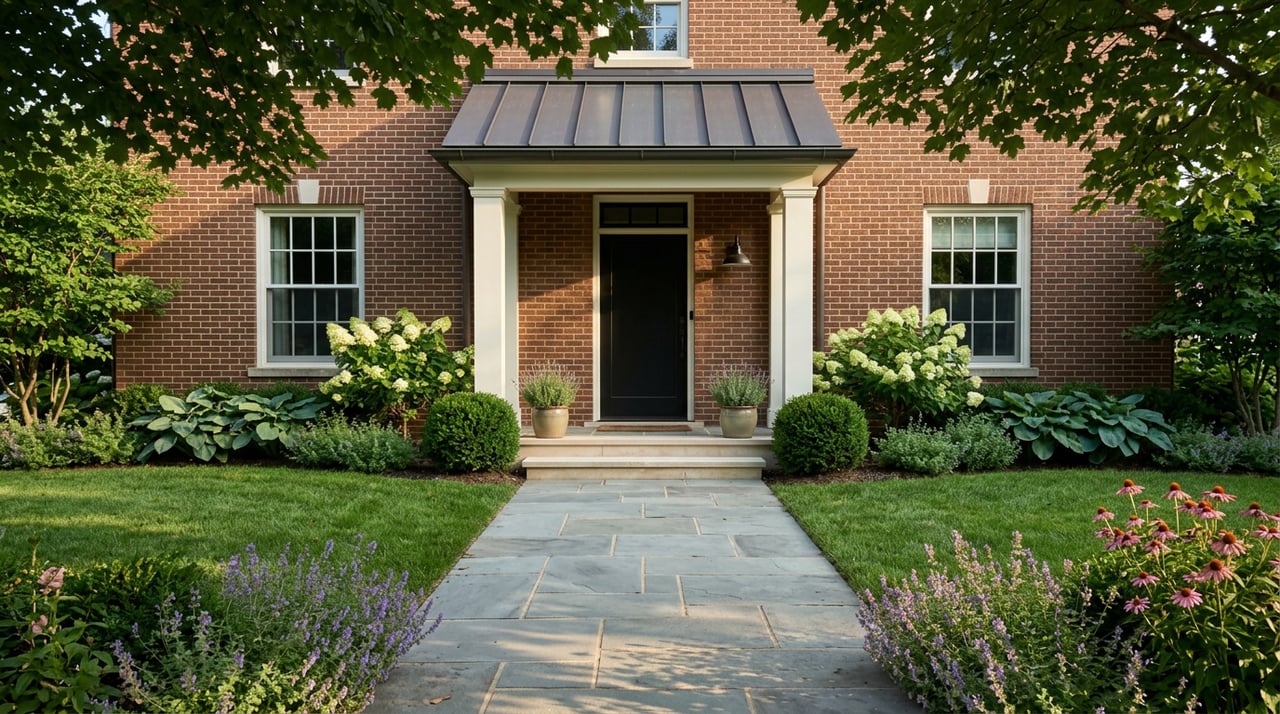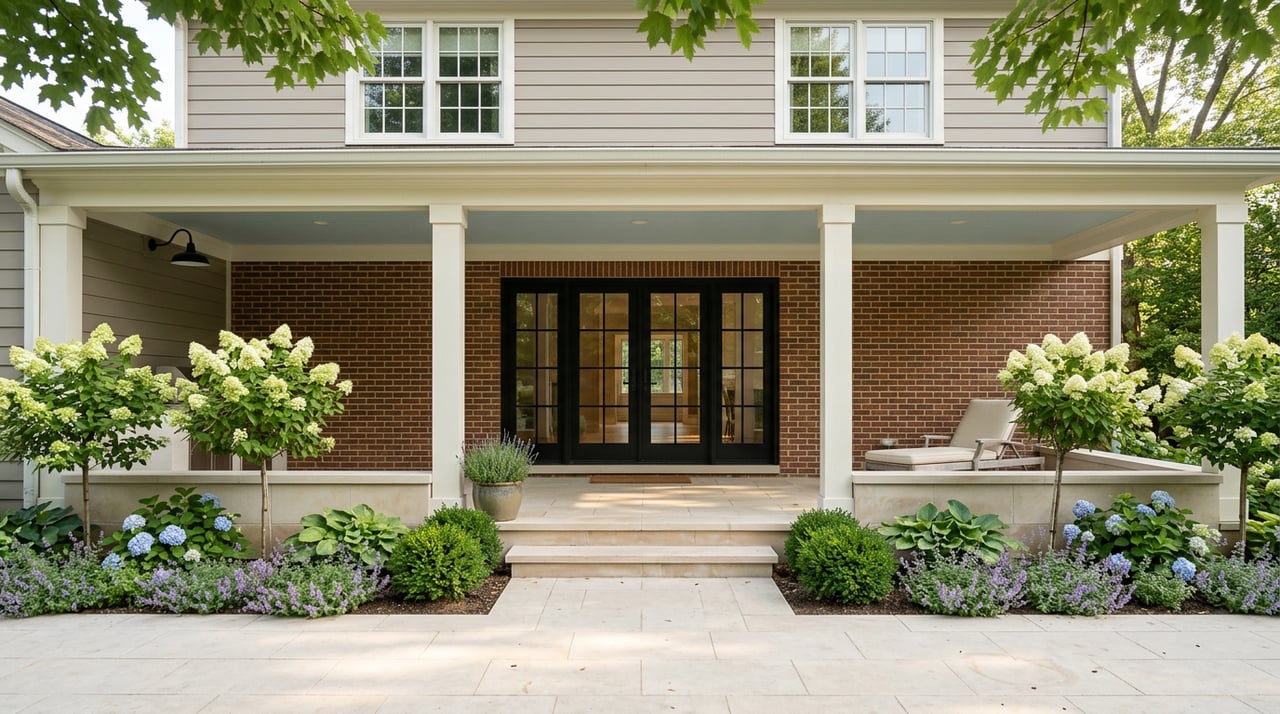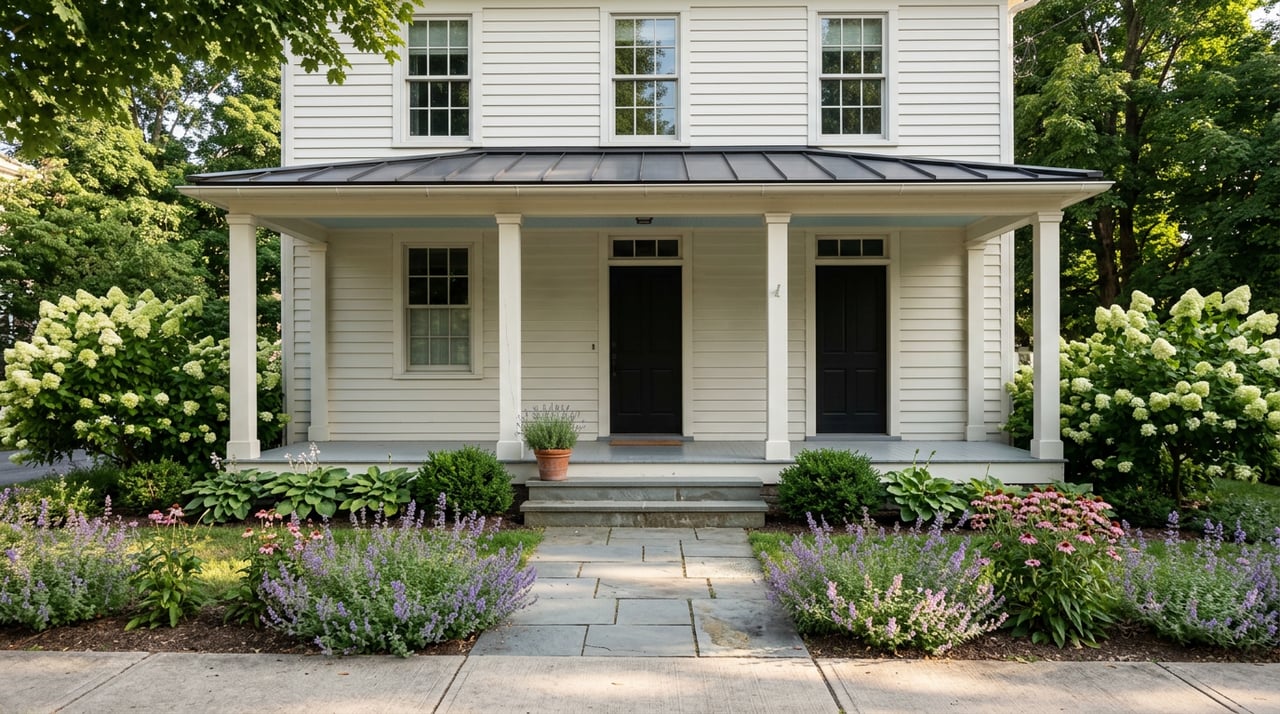
Two brick doubles on the same block, similar square footage, both updated. One closes at three percent under list in six weeks. The other sits, drops twice, and closes at eight percent under. The finishes are not the difference. The Certificate of Appropriateness file is.
That file is the German Village transaction lever most sellers underestimate. In a district where the German Village Commission has overseen the restoration of more than 1,600 historic buildings and the district now contains more than 1,800 structures across 233 acres, the paper trail behind a home's exterior is part of the asset. Buyers, their agents, appraisers, and lenders all ask about it. In 2026, after a December council vote that reshaped how the rules apply to the streetscape itself, they are asking harder.
The Median Hides The Real Spread
Look at what the market says on the surface. Redfin put the German Village median sale price at $737,500 in March 2026, up 7.8% year over year. Zillow's Home Value Index, updated 6/30/2026, showed an average value of $553,432, flat year over year. The Homes.com trailing twelve-month median sits at $566,450 with days on market around 45. Columbus REALTORS® 2024 year-end data pegged the German Village average sale at $668,948, third in Central Ohio behind New Albany and Bexley.
Those numbers are not contradictory. They are the spread. In a district where the median home was built around 1900 on a small lot, transaction-level pricing swings enormously on condition, documentation, and the confidence a buyer has that they are not inheriting an enforcement problem. Redfin's own read is that homes sell about 3% below list price and go pending in around 50 days, while hot homes sell near list in around 27 days. The delta between "hot home" and "average" is where the COA file lives.
What The Commission Actually Regulates
The German Village Commission was established in 1960 by Columbus Ordinances #976-60 and #1221-60, with guidelines adopted in 1989. The Commission considers applications and issues Certificates of Appropriateness for exterior alterations at properties inside the district, under Columbus City Code chapters 3116 and 3119 and the German Village District Guidelines.
In practical seller terms, a COA is the paper record that any exterior change to a home was reviewed against the district guidelines. That includes:
- Window and door replacements
- Roofing material and color
- Exterior paint and masonry treatment
- Fences, gates, and site walls
- Rear additions, dormers, and skylights
- HVAC condensers, satellite equipment, and generators
- Signage, lighting, and landscape changes at meaningful scale
A COA is not itself a permit. The Certificate and approved drawings, stamped by the Historic Preservation Office, must be taken to the Department of Building and Zoning Services to obtain the actual building, signage, or other permits. Sellers regularly confuse the two, then discover during due diligence that a project has one and not the other.
The December 2025 Vote The Buyer's Agent Will Bring Up
On December 16, 2025, Columbus City Council passed an ordinance change after a Franklin County ruling had gone the other way. A Franklin County judge had ruled in favor of the German Village Society and barred the city from doing more construction work on historic district sidewalks without obtaining a certificate of appropriateness, the same instrument the commission uses to regulate exterior changes by homeowners. Instead of appealing, the city rewrote the code. The new subsection says nothing in the historic preservation title requires the city or its contractors to obtain a certificate of appropriateness when performing construction, reconstruction, demolition, or alteration in any right-of-way.
The German Village Society dropped its lawsuit as an act of good faith, and Commission Chair Anthony Hartke and Society President Anthony Meyer both spoke against the legislation before the vote.
Why this belongs in a seller's playbook: buyers touring in 2026 are asking about brick sidewalks, sandstone curbs, and street trees in front of the home. They want to know whether the streetscape in the photos will still look that way in three years. You cannot answer for the city. You can answer for your own parcel, and that is exactly what the COA file is for. Sellers whose personal file is clean and complete become easier to underwrite emotionally.
The Five Documents A Serious Buyer Will Ask For
Before you list, pull these together. Every one of them shortens the diligence window and reduces the buyer's reason to negotiate.
- COAs for every exterior project during your ownership. Even paint. Even a fence panel replacement in kind.
- Building permits and final inspection sign-offs from Columbus Building and Zoning Services that correspond to each COA.
- Contractor invoices and material specifications for windows, roofing, masonry repointing, and any painted surface, so a buyer's inspector can match what they see to what was approved.
- Photographs before and after each project, dated. The Commission itself relies on current color photos of each side of the building and detail views of the specific areas repaired or altered, and the same set answers most buyer questions.
- Any open or pending applications, with the current status and hearing date attached.
If a prior owner did unpermitted work, that is not a reason to hide it. It is a reason to disclose it early, price it accordingly, and if possible open a COA to bring the work into the record before the listing goes live.
The Hearing Calendar Runs Your Listing Timeline
This is the piece most sellers do not sequence correctly. Applications must be submitted no less than one month prior to the hearing at which the applicant wants to be heard. Regular monthly meetings take place on the first Wednesday of each month at 4:00 p.m. in Room 204 at 111 N. Front Street, with business meetings roughly two weeks earlier at the same address.
Sketch the timeline you actually face if you decide in early August to sell in the fall with one small exterior item still pending:
| Step | Realistic timing |
|---|---|
| File COA application with Historic Preservation Office | Early August |
| Business meeting review | Late August |
| Commission hearing decision | First Wednesday of September |
| Take approved drawings to Building and Zoning for permit | Mid-September |
| Complete and document the work | Late September |
| List with a clean file | Early October |
Skip a step and the listing either goes live with an open item disclosed, or it waits. Neither is fatal. Both are pricing conversations.
Three Exterior Items That Quietly Cost Sellers Money
Replacement windows. Vinyl was the original substitution decades ago. Today, a buyer's inspector will flag any window that visibly departs from the guideline expectation of wood or approved alternative, and the appraiser will note it. If the windows went in without a COA, treat that as a disclosure item.
Rear-yard mechanicals. HVAC condensers, tankless water heater vents, generators, and EV charging equipment mounted on exterior walls all fall inside the COA scope. Sellers who installed them without going through the commission tend to learn about it the week of inspection.
Paint color and masonry cleaning. The pre-amendment ordinance language forbade constructing, reconstructing, altering, changing the exterior color of, or demolishing any listed property or architectural feature without first applying for and obtaining a certificate. Color counts. Sandblasted or improperly cleaned brick counts even more, and that damage is not reversible in a way a buyer can price out.
What This Means For Your Price
Central Ohio in 2026 is not the frantic seller's market of three years ago. After the volatile interest rate hikes of 2024 and the inventory shortages that defined 2025, the current landscape is one of balance, with inventory up, price growth moderated, and mortgage rates stabilized near 6% as of February 2026. Buyers have time to read a file. They are using it.
In German Village specifically, the clean-file premium shows up two ways. First, in the sale-to-list ratio, where documented homes hold the 3% under-list norm rather than sliding further. Second, in days on market, where the difference between the median at roughly 45 to 50 days and the "hot home" pace near 27 days is often the difference between a listing that answers buyer questions before they are asked and one that answers them during due diligence.
Quick FAQ
Do I have to disclose past COA violations? Disclosure is a matter of Ohio residential property disclosure law and the specific facts of your ownership. What you can control is the completeness of the file you hand the buyer. A cured violation with a corresponding COA in the record is a very different story than an open one.
What if a prior owner did unpermitted exterior work? You can open a retroactive COA application with the Historic Preservation Office to bring the work into the record. Whether that is worth doing before listing depends on the scope and the calendar.
Does the December 2025 change affect my private property at all? No. The amendment addresses work in the public right-of-way. Homeowner exterior alterations still require a COA under Columbus City Code chapters 3116 and 3119.
How early should I start file prep before listing? If everything is documented, a week. If anything is open, uncertain, or missing, plan on a full monthly Commission cycle plus permit time, which is typically six to ten weeks.
Selling in German Village rewards preparation the way few Central Ohio submarkets do. If you are thinking about a fall or winter listing and want to talk through your file before the first showing, Megan S. Bell works with German Village owners across the price spectrum and can help you sequence the Commission calendar around your closing goals. Let's Connect.