Thinking about selling your German Village home but not sure how to stage it without losing that historic charm? You are not alone. Buyers love the neighborhood’s brick cottages, walkable streets, and original details, yet small rooms and tight layouts can feel tricky to present. In this guide, you will learn simple, high‑impact staging moves that respect preservation guidelines, brighten compact spaces, and help buyers fall in love. Let’s dive in.
What buyers love in German Village
German Village buyers value authenticity, walkability, and architectural detail. They want to see exposed brick, original woodwork, mantels, and arched openings. Your staging goal is to reveal these features, not hide them, while giving rooms a warm, neutral backdrop that feels current and livable.
Follow historic district rules
German Village is a locally regulated historic district. Exterior changes that are visible from the street can require review. Before repainting the front door, swapping exterior fixtures, or altering masonry, confirm what is allowed. Inside, focus on reversible, small‑scale updates that showcase original fabric and avoid delays.
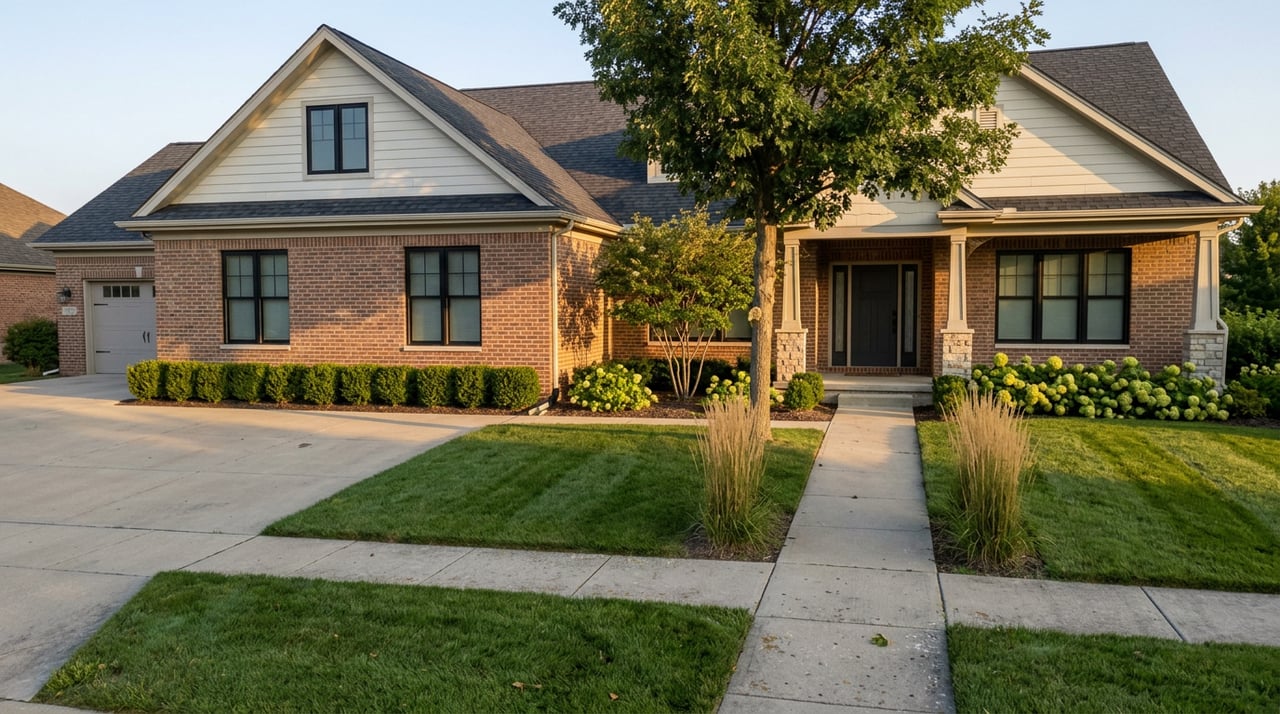
Curb appeal and front entry
A welcoming front porch sets the tone for showings. Keep it clean, tidy, and scaled to the home’s character.
- Sweep brick walks and steps, and remove algae or debris.
- Keep plantings neat and seasonal. Use modest potted plants or window boxes that fit a small porch.
- If allowed, choose a historically sympathetic front door color like classic navy, deep muted red, or hunter green. When unsure, keep the current color and clean the hardware.
- Update essentials that read from the street: house numbers, mailbox, and a simple, period‑appropriate porch light with warm bulbs.
- Add a clean doormat and a fresh wreath. Avoid covering or drilling into original masonry.
Living areas that highlight character
Your living room should frame the home’s best features.
- Arrange seating to face mantels, bay windows, or an exposed brick wall.
- Choose compact sofas and chairs with exposed legs to keep sightlines open.
- Use warm, soft whites or greige on walls to complement red and brown brick tones.
- Style built‑ins lightly with books, a few matte ceramics, and greenery. Keep collections modest and color‑coordinated.
- Clean original light fixtures and add table or floor lamps with warm bulbs to eliminate shadows.
Kitchen staging that feels timeless
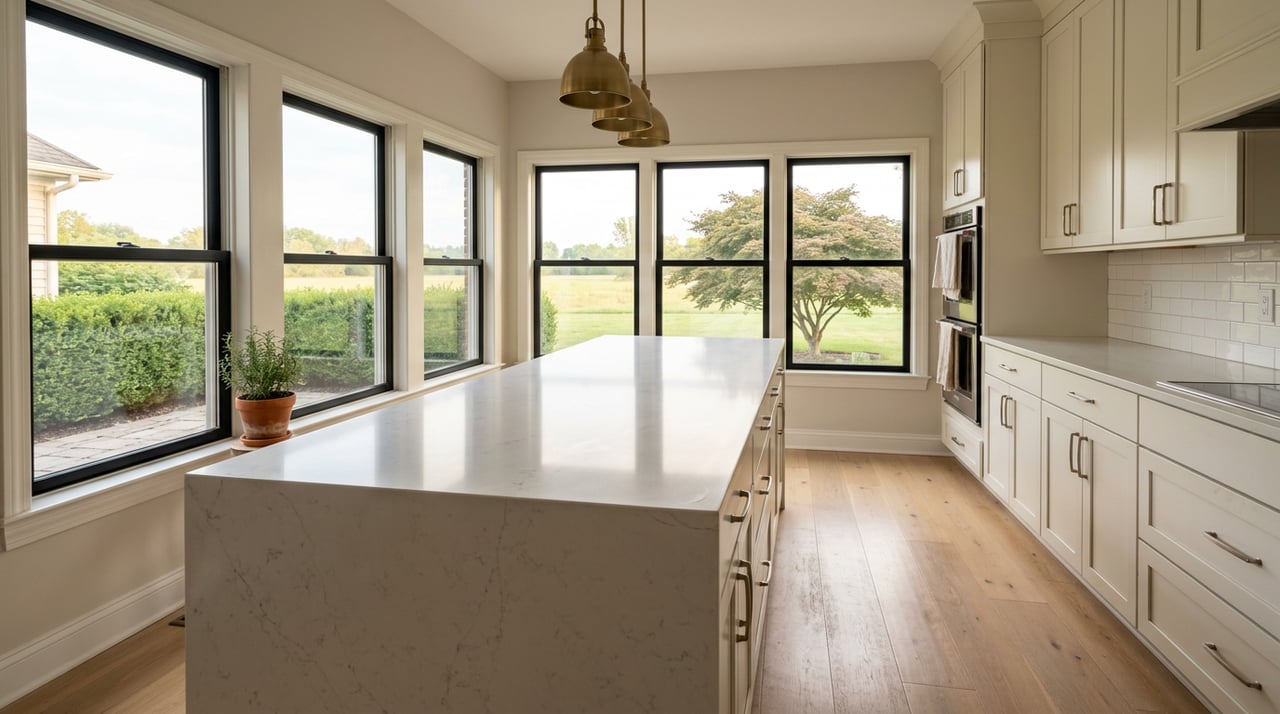
Many German Village kitchens are smaller or updated over time. Keep the look clean and functional.
- Clear counters and store small appliances.
- Add small, neutral props: a bowl of green apples, a wooden cutting board, and a plant.
- Refresh what you can: clean grout, recaulk, and consider simple cabinet hardware in a timeless finish like aged brass or matte black.
- If storage feels tight, remove items from one or two cabinets and style a single open shelf to create visual breathing room.
Bathroom refresh with respect
Buyers appreciate honest, clean bathrooms that honor original elements.
- Deep clean, regrout if needed, and replace failing caulk.
- Use simple linen‑look shower curtains or show clean glass doors.
- Choose neutral towels and a small plant for warmth.
- Showcase any intact historic tile or vintage fixtures.
Bedrooms that feel calm and spacious
Create a restful space that highlights proportion and flow.
- Center the bed and use layered neutral bedding with 1–2 muted accent pillows.
- Skip oversized headboards that make a compact room feel tight.
- Remove extra dressers or chairs that block pathways.
- Let in maximum daylight with simple shades or light drapes.
Small spaces, halls, and stairs
Tight areas can shine with careful editing.
Clear paths and remove tripping hazards like extra runners.
Use one well‑placed mirror to increase perceived depth.
Clean and highlight original stair rails, balusters, and newel posts so buyers appreciate the craftsmanship.
Make brick and wood shine
Exposed brick and original wood floors are prized features.
- Gently clean exposed interior brick. Avoid harsh methods that damage mortar. Do not paint over historic brick that is unpainted.
- Refinish or touch up wood floors where feasible. Thin, low‑profile rugs should frame seating areas while showing floor borders.
Lighting that flatters every room
Layered lighting makes compact rooms feel bright and welcoming.
- Use warm LED bulbs in the 2700K to 3000K range for a pleasant glow and accurate color.
- Layer ambient, task, and accent lighting to reduce shadows.
- Replace dim or mismatched bulbs and clean every fixture and shade.
Palette, materials, and style
Aim for a neutral backdrop that complements historic materials.
- Favor warm whites, greige, and beige‑toned neutrals. Avoid stark cool whites that fight red and brown brick.
- Add muted accents like sage, slate blue, warm terracotta, or mustard in pillows, art, and throws.
- Choose natural textures like linen, wool, leather, warm wood, and matte ceramics.
- Opt for transitional furnishings that feel timeless. A few well‑scaled vintage or reproduction pieces can reinforce authenticity without clutter.
Furniture and flow
Scale and spacing are everything in smaller rooms.
- Use compact pieces with visible legs to keep air and light moving.
- Remove at least one large item if it crowds the room or blocks windows.
- Define zones with properly sized rugs that leave wood borders visible.
Budget and timeline that work
You do not need a gut renovation to impress buyers. Start with the highest‑impact, lowest‑cost steps.
- First priority: deep cleaning, repairs to loose trim or nonworking lights, decluttering, and curb appeal.
- Next: warm neutral paint, lighting fixes, and strategic furniture rental or rearrangement.
- Consider simple cosmetic swaps like cabinet hardware or a faucet when dated items distract.
- Plan staging and minor repairs 2 to 4 weeks before listing to allow for cleaning, painting, and any rental deliveries.
Marketing and photos that convert
Great staging deserves great photography.
- Schedule daylight shoots to capture brick, woodwork, and the porch view.
- Use wide angles to show flow, and vertical shots where ceiling height, trim, or tall windows shine.
- Include detail photos of mantels, built‑ins, stained glass, and original hardware to reinforce authenticity.
Quick day‑of‑showing checklist
- Exterior: swept porch and walk, tidy plants, working warm porch light, clean house numbers, unobstructed entry.
- Interior: decluttered surfaces, master bed made, paths clear, personal photos minimized, pet items removed.
- Lighting: replace dim bulbs, turn on lamps, clean every shade and globe.
- Floors: vacuum or clean rugs, show wood floors, remove tripping hazards.
- Finishing touches: fresh flowers or small greenery, neutral scent, windows open for light.
Ready to position your German Village home for a standout sale? For a custom plan that honors your home’s character and reaches the right buyers, connect with Megan Bell. You will get local expertise, thoughtful guidance, and professional marketing tailored to Central Ohio.
FAQs
Do German Village exterior changes need approval?
- Yes. Visible exterior changes, including door colors and fixtures, may require review in this historic district. Confirm requirements before making updates.
What paint colors work with exposed brick?
- Warm neutrals like soft whites and greige pair best with red and brown brick, while muted accents such as sage or slate blue add depth without clashing.
How can I make small rooms feel bigger?
- Use compact furniture with exposed legs, remove one large piece that blocks flow, add a mirror for depth, and keep window treatments light to maximize daylight.
What is the best lighting for showings?
- Layer ambient, task, and accent lighting, and use warm LED bulbs in the 2700K–3000K range to create an inviting glow and accurate color.
Should I replace original fixtures before listing?
- Preserve original fixtures when possible. Clean, repair, and stage around them. Replace only for safety or function, and choose styles that fit the home’s character.